Artists' Round Table with Erich Brenn
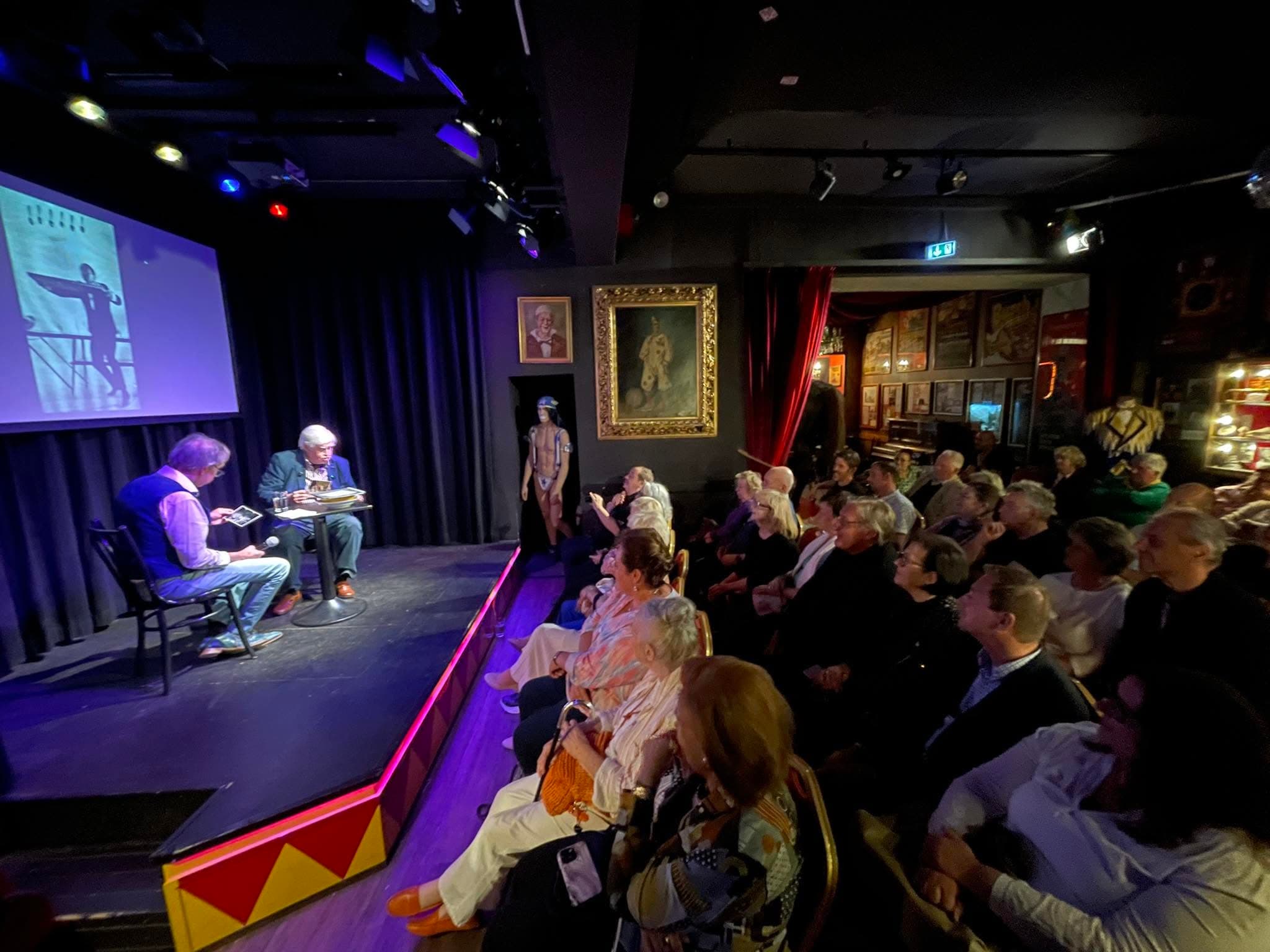
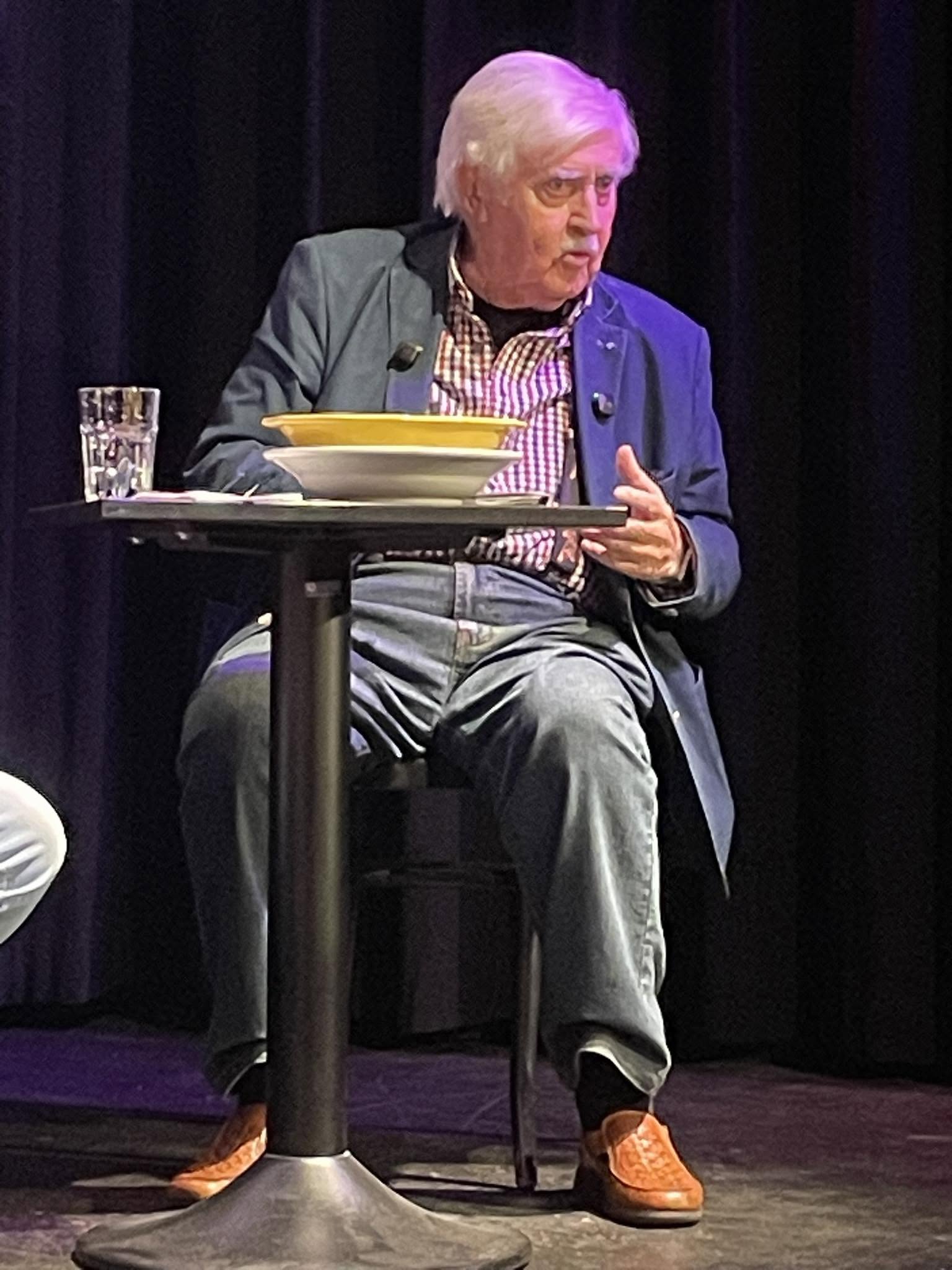
There are evenings when history is not just told, but practically becomes tangible. When a 97-year-old legend enters the room, eyes still sparkling with Viennese charm and hands hinting at that precision that once enchanted millions in Las Vegas and Paris, then the Artists' Round Table is happening at the Circus & Clown Museum. Recently it was that time again: Erich Brenn, probably the most famous plate juggler in the world, honored us and took us on a journey through a century full of magic, hard work, and dazzling performances.
From the Coffee Warehouse to the World Stage
Erich Brenn's path to world fame began anything but glamorously. Born in 1928 in Vienna-Ottakring, he first completed an apprenticeship as a salesman at the traditional Viennese company Julius Meinl. But even back then, between coffee sacks and the shop counter, he secretly practiced his first tricks, inspired by visits to the Ronacher or Circus Busch. His father was not enthusiastic about these ambitions; he saw his son perform on stage only four times during his entire world career. His mother, on the other hand, worried mainly about her good porcelain, because Erich's first "props" were her soup plates, which he misappropriated in 1950 for his first attempts – a risky undertaking that left quite a few piles of shattered pieces.
Even during the war, his passion for performing arts did not let him go. In a "paramilitary training camp," he was asked who could do something for the camp circus. Brenn promptly volunteered and cobbled together his props from socks, cigar boxes, and paper rings made from cheese packaging, just to avoid having to march with the others. A stroke of luck ultimately saved him from being sent to the front when a recruitment office was destroyed by a bomb shortly before his appointment.
860 Grams of Perfection: The Physics of Plate Spinning
What set Erich Brenn apart from other jugglers was his instinct for entertainment. He understood that the audience does not just want to see perfection, but thrills. "Will the plate fall or won't it?" In his early years at Vienna's "Colosseum," he even intentionally incorporated mistakes to get the spectators on the edge of their seats.
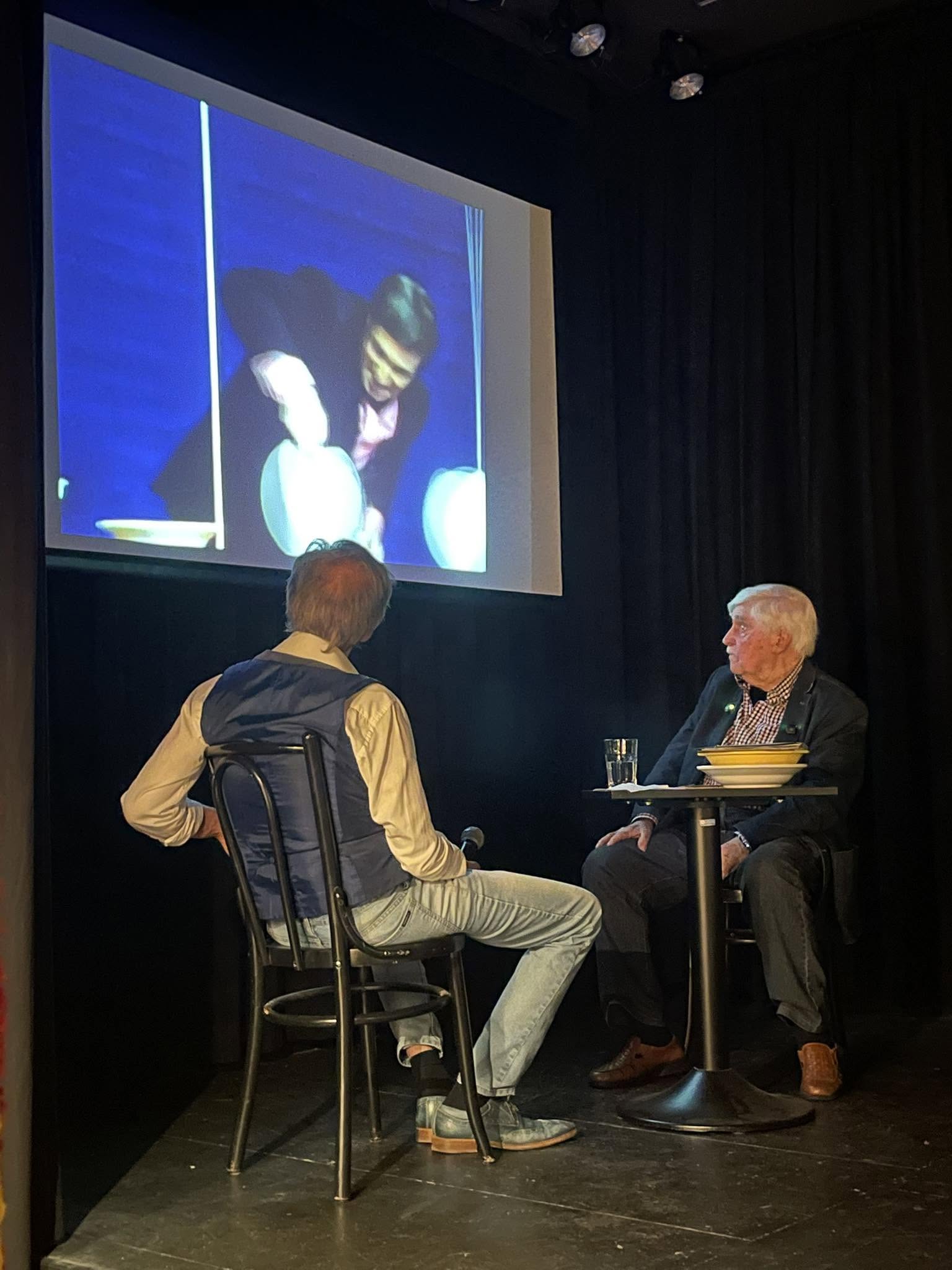
His equipment was the result of the highest precision. Brenn used only genuine Royal Tettau porcelain. Each plate weighed exactly 860 grams – a weight that was crucial for stability and centrifugal force on the 1.32-meter-long wooden sticks. He made all these sticks himself from wood, sharpened them, and perfectly balanced them to the weight of each bowl. "It came down to seconds," he recalls. Later, he had to maintain warehouses across Europe for his special porcelain so he could immediately replace any breakage during a tour.
Between Charles Chaplin and Oscar Kokoschka
Brenn's talent led him to the most exclusive venues in the world. He spent over 14 months at the legendary Lido in Paris and gave over 4,000 performances in Las Vegas. In this glorious era, he met the giants of his time.
He spoke particularly vividly at the round table about his encounter with Charles Chaplin in 1967. But it wasn't just film stars who sought his company: The famous painter Oscar Kokoschka was so fascinated by Brenn's act that he drew him for 20 minutes during a performance in 1967. At the end of the session, Kokoschka even took one of the still-spinning bowls directly from the stick with his hand, which visibly impressed Brenn. He also shared the stage with the unforgettable Peter Alexander as early as 1953 – at a time when tickets still cost between 25 groschen and 1.50 schillings.
The Artist in a Porsche
Away from the ring, Brenn maintained a lifestyle that was unusual for the time. While other artists traveled with heavy caravans and tractors, the "Vienna boy" showed up in a Porsche. His entire equipment – the heavy plate crates and collapsible tables – was strategically distributed in the car: on the back seat, in the passenger footwell, and even on a special luggage rack over the rear engine. In America, people often thought his car was a toy compared to the huge "battleships" of US cars, but Brenn loved the speed and independence that the sports car offered him.
A Living Museum Full of Stories
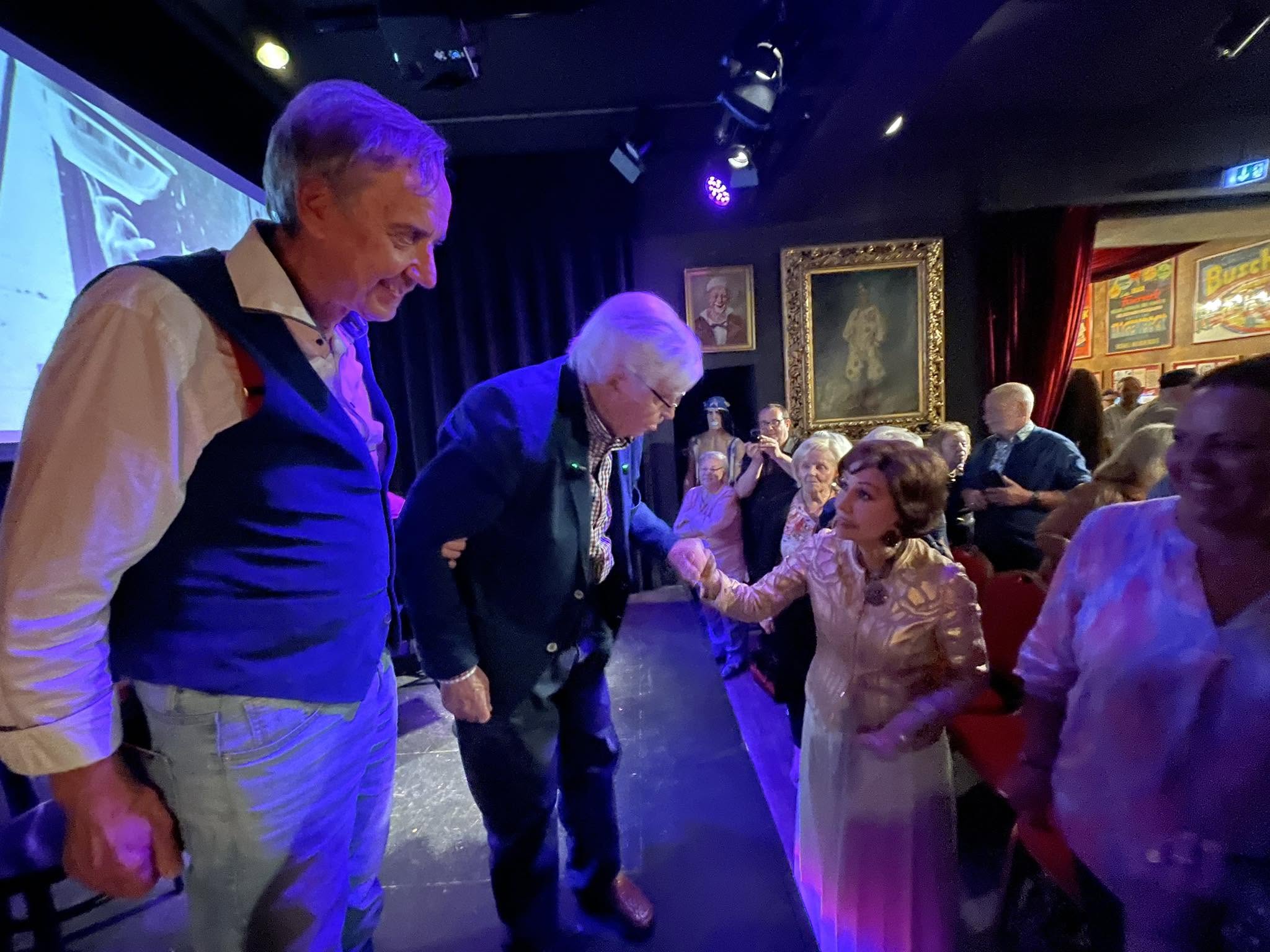
It was a privilege to listen to Erich Brenn, at 97 years old – mentally sharp and full of humor – report on the pitfalls of live music, botched television recordings, and the hard school of circus life. Accompanied by his daughter, who is visibly proud of her father's life's work, it became clear that the magic of the circus never gets old.
Join us next time!
Stories like these are what bring our museum to life. The Artists' Round Table is a fixed part of our program and offers the unique opportunity to experience legends of entertainment art up close.
- When? Regularly (current dates can be found on our events page).
- Where? Circus & Clown Museum Vienna.
- Admission: Free!
Don't miss a thing: Would you like to be informed in time about the next Artists' Round Table and other exclusive events? Then subscribe to our newsletter now! We look forward to your visit!
Subscribe to our newsletter
Receive the latest news, information about upcoming events, and exclusive offers.
By registering, you accept our privacy policy.
Subscribe to our newsletter
Receive the latest news, information about upcoming events, and exclusive offers.
By registering, you accept our privacy policy.
